
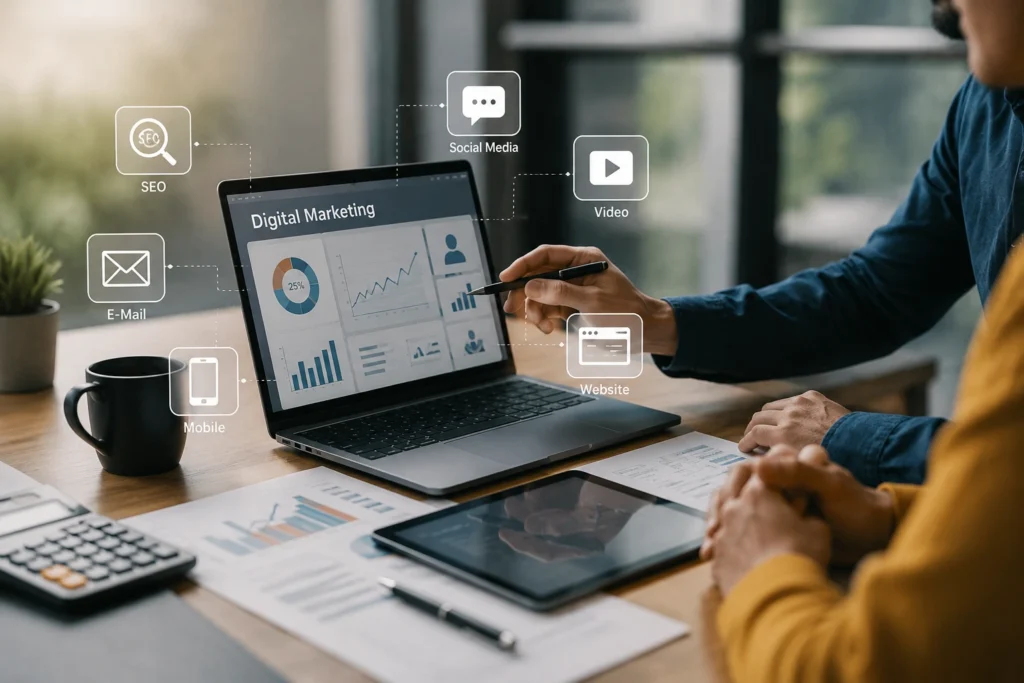
What Does a Digital Marketing Agency Do for Small Businesses?
You’ve probably heard that you “need digital marketing” about a hundred times. But when you actually sit down to figure out what that means, and whether hiring an agency is worth it, the answers get vague fast.
Most articles will give you a laundry list of services. This one goes deeper. It explains what a digital marketing agency actually does for small businesses, how each service drives real business outcomes, and when you’re ready to bring one in.
If you’re a business owner, manager, or decision-maker weighing this investment, this is the guide that gives you clarity.
The Honest Reality Most Agencies Won’t Tell You
A digital marketing agency isn’t a magic growth machine you plug in and walk away from. It’s a strategic partner that builds, manages, and scales the systems that bring customers to your business online.
Done right, it’s one of the highest-leverage investments a small business can make. Done wrong, with the wrong agency or the wrong strategy, it’s an expensive lesson.
Understanding exactly what an agency does (and doesn’t do) is the first step to making a smart decision.
What Does a Digital Marketing Agency Do for Small Businesses?
At its core, a digital marketing agency helps small businesses attract, engage, and convert customers through online channels, replacing or supplementing traditional marketing with strategies built for the internet.
But the real answer is more specific than that. Here’s what that actually looks like in practice.
1. Build or Redesign Your Website, With Strategy, Not Just Design
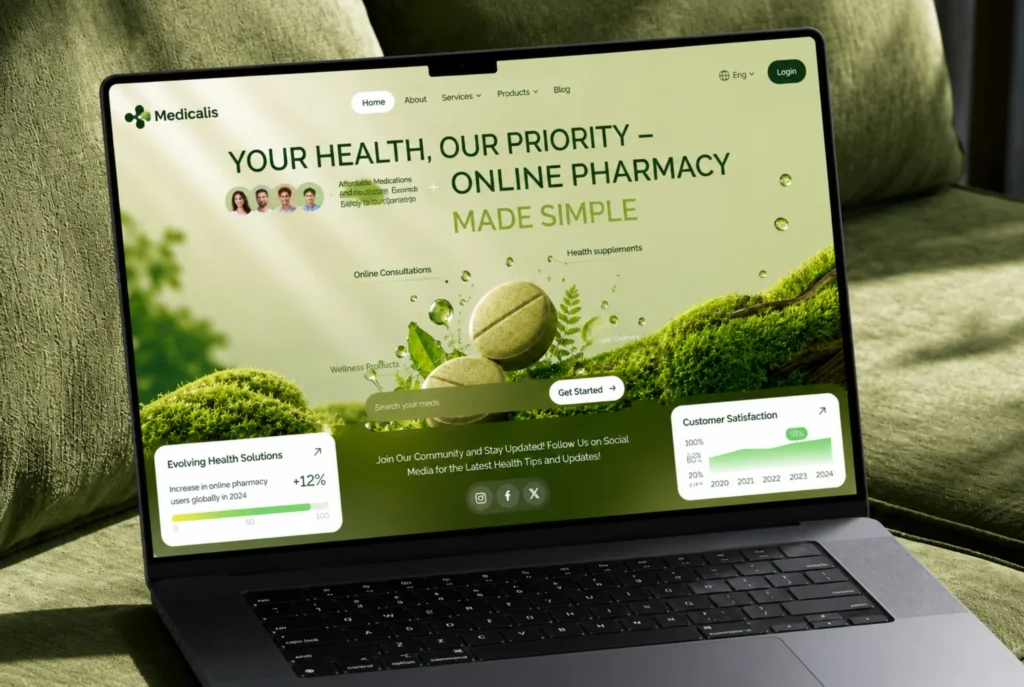
Your website isn’t a brochure. It’s a 24/7 sales representative. A digital marketing agency approaches web development and web design with one goal in mind: turning visitors into leads or buyers.
For small businesses, this typically means:
- Designing a mobile-first, fast-loading website that passes Core Web Vitals standards
- Structuring pages around clear calls-to-action (CTAs) that guide visitors toward booking, buying, or contacting
- Building the site on an SEO-friendly foundation so it’s discoverable from day one
- Writing conversion-focused copy that speaks to your specific audience
What this means for you: A well-built website doesn’t just look professional, it actively generates business. The difference between a site that converts at 1% and one that converts at 4% is the difference between 10 new leads a month and 40.
[Internal Link: Why Your Website Is Your Most Important Marketing Asset]
2. Get Your Business Found on Google, SEO for Small Businesses
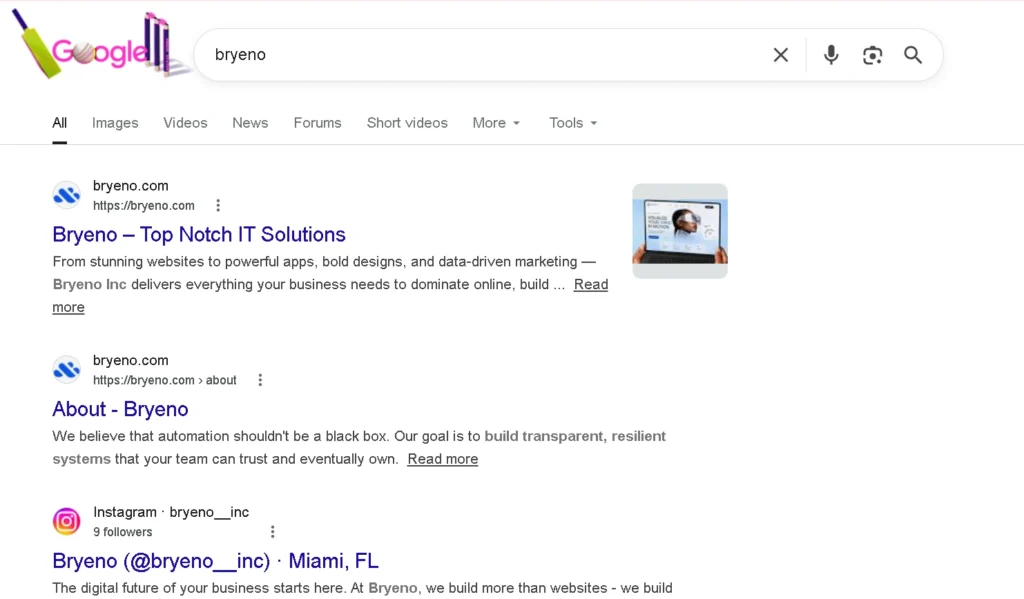
Search engine optimisation (SEO) is how your business appears when potential customers search for what you offer. For small businesses, this is one of the most valuable long-term investments available.
A digital marketing agency handles SEO across three levels:
Technical SEO, Making sure search engines can properly crawl, index, and understand your website. This includes page speed, site structure, mobile optimisation, and fixing errors that prevent ranking.
On-Page SEO, Optimising each page with the right keywords, headings, meta titles, and content structure. This is about signaling relevance to Google clearly and naturally.
Off-Page SEO, Building domain authority through backlinks, citations, and digital PR. This tells Google that other credible sources vouch for your site.
For small businesses with local customers, local SEO is especially powerful, optimising your Google Business Profile, building local citations, and targeting location-specific keywords so you appear in map results and local searches.
Realistic expectation: SEO is a 3–6 month investment before significant results appear. But once you rank, that traffic is free, compounding, and yours. Unlike paid ads, it doesn’t stop the moment you cut the budget.
[Internal Link: How Long Does SEO Take for Small Businesses?]
3. Run Paid Ads That Actually Return More Than They Cost
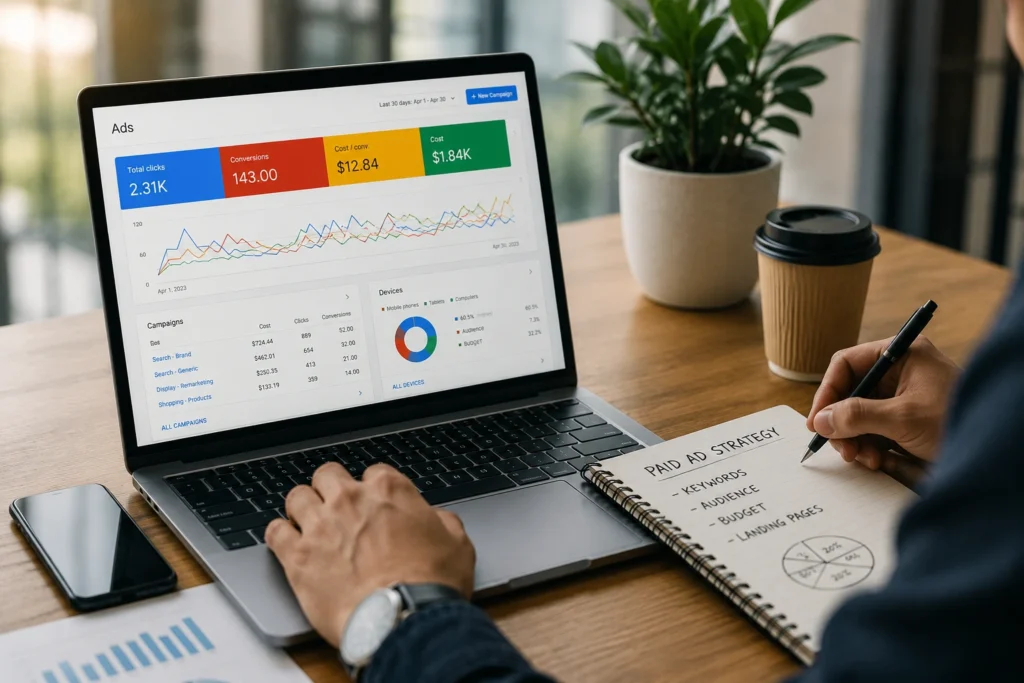
Google ads, Meta ads (Facebook and Instagram), and other paid media channels can generate leads and sales within days, but only when managed properly.
The majority of small businesses that “tried ads and it didn’t work” ran campaigns without the right strategy, targeting, or creative. That’s like hiring someone to cook without giving them a recipe and wondering why the food was bad.
A digital marketing agency handles:
- Audience research and precise targeting (demographics, interests, behaviours, lookalikes)
- Ad creative development, copy, imagery, and video that stops the scroll
- Campaign structure and budget allocation
- A/B testing to continuously improve performance
- Landing page alignment, making sure where the ad sends people actually converts
- Retargeting campaigns that bring back visitors who didn’t convert the first time
What this means for you: Paid advertising is a system, not a button. An agency builds and optimises that system so your cost per lead goes down as the campaign matures, not up.
[Internal Link: How to Get ROI from Meta Ads as a Small Business]
4. Manage Your Social Media, Consistently and Strategically
For most small business owners, social media falls into one of two categories: either it’s completely neglected, or it’s managed sporadically with no clear strategy.
A digital marketing agency takes social media off your plate and builds it into a brand-building, audience-growing asset.
This includes:
- Platform selection based on where your audience actually spends time
- Content strategy, what to post, when to post, and why
- Content creation, graphics, short-form video, carousels, and copywriting
- Community management, responding to comments, DMs, and reviews
- Performance analysis, what content drives reach, engagement, and conversions
The key distinction: social media management by an agency is strategy-led, not just calendar-filling. Every post has a purpose, whether that’s building brand awareness, generating website traffic, or nurturing potential buyers.
A common mistake: Posting randomly without a content strategy is the equivalent of opening a shop and never putting a sign outside. Consistency and intent are what build audiences that eventually buy.
5. Create Content That Builds Authority and Attracts Customers
Content marketing is the long game, and one of the most effective tools a small business can use to build trust and online authority.
A digital marketing agency develops content that serves two purposes simultaneously: it educates your audience (building trust) and signals expertise to search engines (improving rankings).
This typically includes:
- Blog articles targeting search queries your customers are already asking
- Service pages and landing pages built to rank and convert
- Case studies and testimonials that demonstrate real results
- Email marketing content that nurtures leads over time
- Video scripts, infographics, and other formats suited to your audience
Why this matters: A business that consistently publishes useful, accurate, expert content becomes the trusted resource in its space. Trust converts. According to content marketing research, businesses with active blogs generate significantly more inbound leads than those without.
[Internal Link: How Content Marketing Builds Long-Term Lead Generation]
6. Track Everything and Tie It Back to Revenue
One of the most underrated things a digital marketing agency does is measurement. Not just reporting, actual attribution.
Without proper tracking, you’re flying blind. You might know your website got more visitors last month, but you don’t know where they came from, what they did, or whether any of them became customers.
An agency sets up and monitors:
- Google Analytics 4 (GA4) for traffic and behaviour data
- Conversion tracking, form fills, calls, purchases
- Campaign-level attribution, which channels and ads are driving results
- Monthly performance reports with clear interpretation
- KPI dashboards tailored to your business goals
The difference between a good agency and a great one: A good agency reports on what happened. A great agency explains why it happened, what it means, and what they’re changing as a result.
7. Integrate Everything Into a Unified Growth Strategy
Here’s something that gets overlooked: individual services are rarely as powerful as when they work together.
When your SEO feeds your content strategy, your content fuels your social media, your social media supports your paid ads, and your website converts the traffic from all of them, that’s a marketing ecosystem. And ecosystems compound.
A full-service digital marketing agency builds that ecosystem for you. They ensure every channel is aligned under one coherent strategy with shared goals, consistent brand messaging, and coordinated execution.
For small businesses with limited budgets, this integration also means prioritising the highest-return channels first, then layering in additional services as the strategy matures.
When Should a Small Business Hire a Digital Marketing Agency?
Not every business is ready for an agency on day one. Here are the clearest signals that it’s time:
You have a product or service with proven demand, Marketing can scale a business, not save one that doesn’t have product-market fit yet.
You’re spending time on marketing instead of running your business, If you’re the marketer, the operator, and the owner, something will suffer.
You’ve tried DIY marketing without consistent results, An experienced agency brings strategy and systems that take years to develop independently.
You’re ready to invest in sustainable growth, Marketing is not an expense to minimise. It’s an investment with an expected return.
You want to compete with larger businesses in your space, A well-executed digital strategy can level the playing field significantly.
What a Digital Marketing Agency Is Not
Setting expectations clearly protects both sides.
A digital marketing agency is not a quick-fix for an underlying business problem. If your product, pricing, or customer experience has issues, marketing will only accelerate the feedback loop, good or bad.
It’s not a set-and-forget solution. The best results come from genuine collaboration, where the agency brings expertise and the business brings context, feedback, and shared goals.
And it’s not all the same. There is an enormous quality gap between agencies. The tips in our previous article on [how to hire the right digital marketing agency] apply here, always evaluate based on evidence, not promises.
How Bryeno Helps Small Businesses Compete and Grow
At Bryeno, we work with small and growing businesses that are serious about building a real online presence, not just ticking a marketing checkbox.
We offer every service covered in this article, under one roof:
- Web Design & Development, built for speed, conversion, and SEO
- Search Engine Optimisation, technical, on-page, local, and off-page
- Meta Ads & Paid Media, targeted campaigns managed for ROI
- Social Media Management, consistent, strategic content across platforms
- Content Marketing, authority-building content that ranks and converts
- Brand Strategy, cohesive identity across every digital touchpoint
We don’t pitch you services you don’t need. We start with your business goals, build a strategy around them, and execute with precision.
Book a free strategy consultation with Bryeno, let’s map out exactly what your business needs to grow online, and what it’s going to take to get there.
Frequently Asked Questions
Q1: What is the main role of a digital marketing agency for small businesses?
A digital marketing agency helps small businesses build their online presence, attract qualified traffic, generate leads, and convert those leads into customers. This includes services like SEO, paid advertising, social media management, web design, and content marketing, either individually or as an integrated strategy.
Q2: Is digital marketing worth it for a small business?
Yes, when done strategically. Small businesses with limited budgets actually benefit significantly from digital marketing because it allows precision targeting, measurable ROI, and competitive reach that traditional advertising doesn’t offer. The key is choosing the right channels and the right agency based on your specific goals.
Q3: How much does a digital marketing agency cost for small businesses?
Costs vary widely based on the scope of services, the agency’s experience, and your business size. Small businesses typically invest anywhere from $1,000 to $8,000 per month for professional agency services. Rather than focusing on the lowest price, focus on the expected return, a well-managed $2,000/month ad campaign should generate measurably more than it costs.
Q4: How quickly will a small business see results from a digital marketing agency?
It depends on the channel. Paid ads can generate results within 2–4 weeks of launch. SEO typically takes 3–6 months to show meaningful organic growth. Social media builds momentum over 60–90 days of consistent activity. A reputable agency will set realistic timelines and give you milestone checkpoints so you know what progress looks like at each stage.
Q5: What’s the difference between a digital marketing agency and a freelancer?
A freelancer typically offers one or two specialised skills. A digital marketing agency brings a full team, strategists, designers, developers, copywriters, paid media specialists, and analysts, who work together under a coordinated strategy. For small businesses that need multiple services working in sync, an agency offers more integrated value than managing several freelancers independently.
Q6: Can a digital marketing agency help a business with no online presence?
Absolutely. In fact, starting from scratch can be an advantage, there are no bad habits, outdated content, or technical issues to undo. A good agency will build your foundation correctly from day one: a fast, optimised website; a Google Business Profile; targeted SEO content; and the right paid or organic channels to generate your first wave of online leads.
Q7: What should I prepare before working with a digital marketing agency?
Come with clarity on your business goals, target audience, average customer value, and monthly budget. You don’t need to have everything figured out, but knowing what success looks like for your business helps the agency build a strategy that actually serves it. The more context you share, the sharper the strategy.
Q8: How do I measure whether my digital marketing agency is doing a good job?
Track metrics tied to business outcomes: leads generated, cost per lead, conversion rate, organic traffic growth, and return on ad spend (ROAS). Be cautious of agencies that lead with vanity metrics, impressions, follower counts, or reach, without tying them back to revenue impact. Monthly reviews with clear KPIs are a standard expectation from any professional agency.
Conclusion: The Right Agency Doesn’t Just Do Marketing, It Drives Growth
What does a digital marketing agency do for small businesses? In short, it builds the systems that turn your online presence into a predictable source of customers.
SEO brings people searching for your services directly to your door. Paid ads put your offer in front of precisely the right audience. Social media builds the trust that turns strangers into buyers. A great website closes the deal. And measurement ensures that every pound or dollar spent works as hard as possible.
The small businesses that grow consistently in competitive markets aren’t necessarily the ones with the biggest budgets. They’re the ones with the best strategy, the right partners, and the discipline to invest in long-term growth over short-term shortcuts.
If you’re ready to build that, Bryeno is ready to help.